
Building a strong online presence requires more than simply optimizing website pages and publishing high-quality content. Search engines evaluate many external factors to determine how trustworthy, relevant, and authoritative a website is compared to competitors. This is where Off-Page SEO becomes an essential part of any digital marketing strategy. Off-page SEO focuses on actions taken outside your website that influence search engine rankings, including backlinks, brand mentions, online reviews, social media engagement, digital PR campaigns, and content sharing across other platforms. These external signals help search engines measure the credibility and popularity of your website across the internet.
For beginners, understanding off-page optimization is important because it directly impacts website authority, search visibility, and long-term traffic growth. A website with strong off-page SEO signals is more likely to rank higher in search results, attract more qualified visitors, and establish trust within its industry. While on-page SEO helps optimize the structure and content of your site, off-page SEO strengthens your reputation and influence beyond your website itself.
What Is Off-Page SEO and Why Does It Matter?
Understanding What is Off-page SEO is an important first step in building a strong and sustainable SEO strategy. It refers to all optimization activities done outside your website that help improve search rankings, authority, and credibility. Search engines evaluate external signals such as backlinks, social mentions, online reviews, and overall brand presence to measure how trustworthy and relevant your website is compared to competitors. Unlike on-page SEO, which focuses on content and technical structure, off-page SEO strengthens your reputation through external validation, where links and mentions from reputable websites signal authority, relevance, and trust. The more high-quality references your site earns, the greater your chances of achieving higher rankings and improved search visibility.
Key Benefits of Off-Page SEO:
- Improve website authority: Build trust and credibility in the eyes of search engines through external recommendations and references.
- Increase Google rankings: Strengthen your ability to rank for competitive keywords in search engine results pages.
- Drive organic traffic growth: Generate more targeted website visitors through improved search visibility and referral traffic.
- Enhance brand awareness: Increase online exposure through mentions, shares, backlinks, and community engagement.
- Strengthen domain authority SEO: Improve your website’s reputation metrics and long-term ranking potential.
- Build long-term SEO value: Create sustainable improvements that continue benefiting your website over time.
- Improve search engine trust: Gain credibility through links and mentions from trusted and authoritative sources.
- Support overall SEO marketing strategies: Strengthen the impact of on-page SEO, technical SEO, and content marketing efforts.
- Improve competitive advantage: Build stronger authority signals than competing websites within your industry.
- Increase referral traffic opportunities: Gain visitors directly from external websites linking to your content.
- Boost content visibility: Expand the reach of blogs, articles, and media through sharing and mentions.
- Strengthen online reputation: Build a stronger digital presence through positive reviews and public recognition.
- Support local search performance: Improve local visibility through citations, reviews, and regional backlinks.
- Encourage brand credibility: Position your business as a trusted source of information within your niche.
Learning these fundamentals helps beginners understand why Off-page SEO is such an important part of long-term digital marketing success. A strong off-page SEO strategy not only improves rankings but also strengthens brand reputation, increases visibility, and creates lasting authority across the online marketplace.
Link Building Strategies for Stronger Rankings
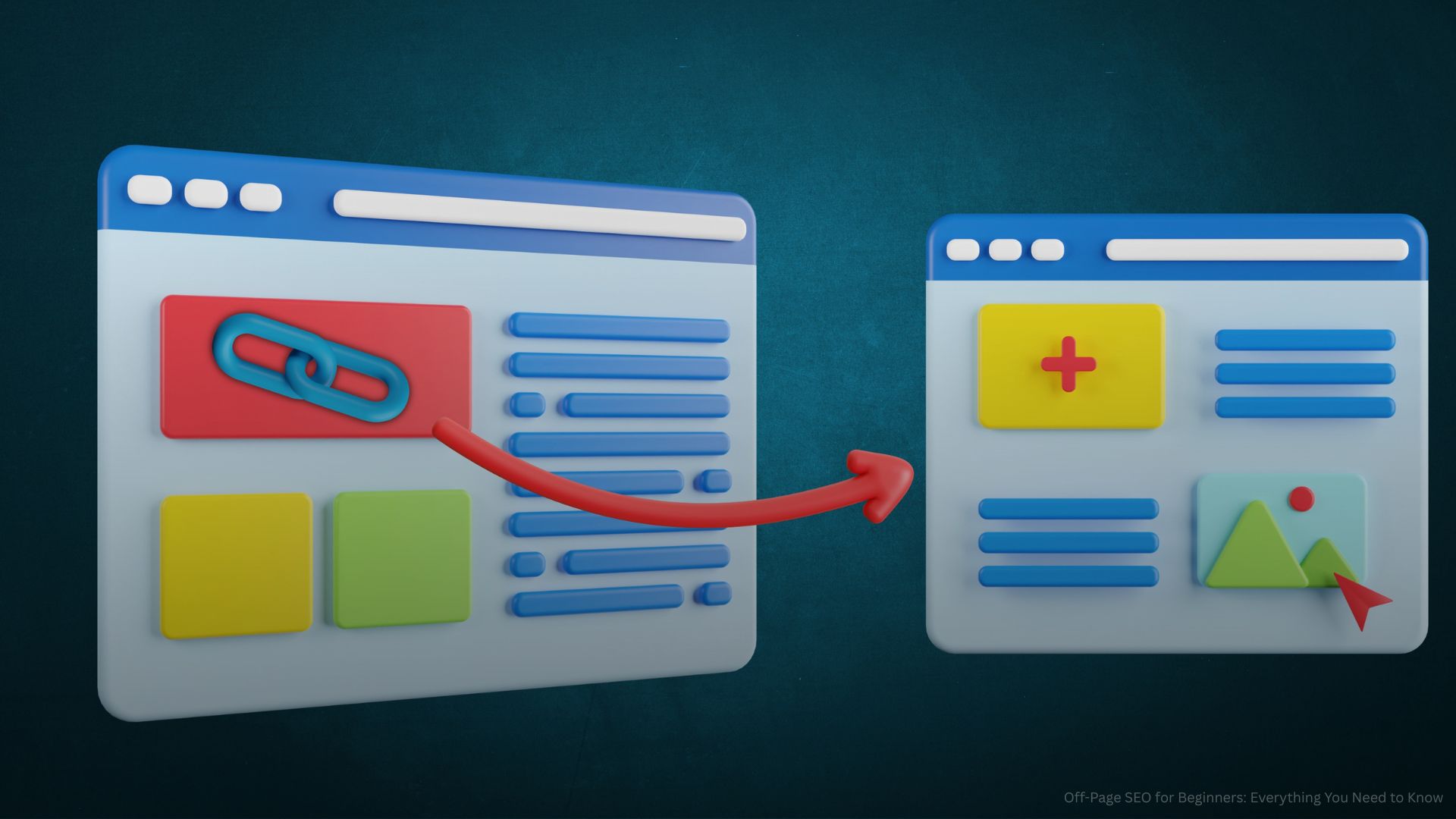
One of the most important parts of Off-page SEO techniques is link building. Backlinks are links from other websites that point to your content, and search engines treat them as strong signals of trust, authority, and relevance. When reputable websites link to your pages, it signals that your content is valuable and worth ranking higher in search results. High-quality backlinks not only improve rankings but also increase referral traffic and strengthen your overall website authority over time. A strong link profile is one of the most reliable ways to improve long-term SEO performance.
Effective Link Building Strategies:
- Guest posting for SEO: Write high-quality articles for relevant industry websites in exchange for contextual backlinks.
- Directory submissions: List your business on trusted and relevant directories to improve authority and local visibility.
- Content-based backlinks: Create valuable, informative, and shareable content that naturally attracts links from other websites.
- Resource page outreach: Reach out to websites that maintain resource lists and request inclusion of your relevant content.
- Broken link building: Find broken links on other websites and suggest your content as a replacement.
- Relationship-based outreach: Build long-term connections with bloggers, publishers, and industry experts for natural link opportunities.
- Skyscraper content strategy: Improve existing high-performing content and promote it to earn better backlinks.
- Local citations: Build backlinks through local directories, map listings, and regional business platforms.
- Forum participation: Engage in niche discussions and provide helpful insights with relevant contextual links when appropriate.
- Competitor backlink analysis: Study competitor link profiles to identify new backlink opportunities.
- Content promotion campaigns: Actively distribute your content across platforms to increase visibility and link potential.
Strong backlink building techniques improve website credibility, strengthen domain authority SEO, and support consistent long-term organic traffic growth.
How to Build Backlinks Using White Hat SEO Techniques
For beginners, learning how to build backlinks safely is extremely important because search engines prioritize ethical and natural link-building practices. Websites that rely on spammy, artificial, or paid link schemes risk penalties that can negatively impact rankings and visibility. This is why focusing on White hat SEO techniques is essential for building a sustainable and trustworthy SEO foundation. White hat strategies focus on earning backlinks naturally by providing real value, building relationships, and following search engine guidelines.
White Hat SEO Backlink Tips:
- Publish original content: Create detailed articles, research studies, and guides that other websites want to reference.
- Earn editorial links: Focus on producing high-quality content that naturally earns backlinks without direct requests.
- Use outreach campaigns: Contact relevant websites and bloggers with personalized and value-driven collaboration opportunities.
- Leverage digital PR for SEO: Share newsworthy stories, updates, or insights with media platforms and online publications.
- Participate in interviews and podcasts: Build authority while earning backlinks from trusted media sources.
- Share infographics and visuals: Create visual content that other websites can embed and reference.
- Create shareable resources: Develop tools, templates, checklists, or guides that naturally attract backlinks.
- Build thought leadership: Share expertise through guest contributions and expert commentary.
- Avoid paid link schemes: Stay away from manipulative tactics that violate search engine guidelines.
- Focus on relevance: Prioritize backlinks from websites related to your niche or industry.
Using ethical SEO backlink tips protects website credibility, strengthens domain authority SEO, and supports long-term, sustainable ranking growth without risking penalties.
Social Media SEO Strategies and Brand Mentions
Social media plays an important supporting role in Off-page optimization, even though it does not directly influence search rankings in the same way backlinks do. Its real value lies in increasing content visibility, driving engagement, and helping brands build recognition across multiple platforms. When content is shared widely on social media, it has a higher chance of being discovered by bloggers, journalists, and website owners who may later reference or link to it. In addition, consistent brand exposure across social channels helps build trust and authority over time. Even without direct links, brand mentions across social platforms and online discussions contribute to stronger credibility signals for search engines.
Social Media and Brand Building Strategies:
- Content sharing: Promote blog posts, videos, infographics, and guides across multiple social platforms to increase reach and visibility.
- Audience engagement: Respond to comments, participate in discussions, and interact with followers to build trust and increase visibility.
- Influencer collaboration: Partner with creators and industry experts to expand reach and strengthen brand authority.
- Community participation: Join niche groups, forums, and online communities to share insights and build relationships.
- Social bookmarking: Share valuable content on bookmarking platforms to improve discoverability and traffic potential.
- Brand mentions SEO: Encourage organic online references that improve brand awareness and authority signals.
- Video and visual promotion: Use engaging visuals and videos to increase shares, engagement, and backlink opportunities.
- Reputation management: Monitor brand conversations and respond to feedback to maintain a strong online reputation.
- Hashtag optimization: Use relevant hashtags to improve content discoverability across platforms.
- Cross-platform promotion: Share consistent messaging across different social media channels for stronger visibility.
These Social media SEO strategies strengthen overall online presence, improve content reach, and contribute to long-term brand recognition and authority.
Local Off-Page SEO for Better Regional Visibility
For businesses that rely on local customers, Local Off-page SEO is essential for improving visibility in regional search results and attracting nearby audiences. Local SEO focuses on strengthening a business’s presence within a specific geographic area by using external signals such as citations, reviews, and local backlinks. Search engines use these signals to determine how relevant a business is to users searching within a particular location. A strong local SEO presence helps businesses appear in map results, local listings, and “near me” searches, which are highly valuable for driving foot traffic and local conversions.
Local Off-Page SEO Techniques:
- Google Business Profile optimization: Keep business details accurate, updated, and fully optimized for local search visibility.
- Local citations: Ensure consistent business name, address, and phone number across all online directories.
- Customer reviews: Encourage satisfied customers to leave positive reviews to improve trust and ranking potential.
- Local partnerships: Collaborate with nearby businesses and organizations to build regional authority and backlinks.
- Community engagement: Participate in local events, sponsorships, and activities to increase brand visibility.
- Location-based backlinks: Earn links from local news sites, blogs, and community websites.
- Map listing consistency: Maintain accurate and consistent information across all map platforms and listings.
- Local social engagement: Share location-specific content, offers, and updates to connect with nearby audiences.
- Geo-targeted content: Create content that focuses on local topics, events, and customer needs.
- Local directory submissions: List your business on trusted regional and industry-specific directories.
These strategies significantly improve regional visibility, strengthen local authority, and support long-term SEO traffic growth for businesses targeting specific geographic areas.
Off-Page SEO Tools and Tracking Performance
Tracking performance is a vital part of any Beginner’s guide to Off-page SEO because it helps businesses measure progress, identify opportunities, and improve overall strategy. Without the right tools, it becomes difficult to monitor backlink growth, evaluate authority, track competitor performance, and measure the success of external SEO efforts. Reliable SEO platforms provide detailed insights into link quality, domain strength, brand mentions, and referral traffic, allowing businesses to make smarter optimization decisions. Consistent tracking ensures that your Off-page SEO strategies remain effective, data-driven, and focused on long-term growth.
Useful Off-Page SEO Tools:
- Ahrefs: Powerful backlink analysis platform for tracking backlinks, competitor research, and link-building opportunities.
- SEMrush: Comprehensive SEO suite for backlink audits, keyword tracking, competitor analysis, and authority monitoring.
- Moz Pro: Popular tool for measuring domain authority, SEO performance, and analyzing backlink profiles.
- Google Search Console: Free tool for monitoring website performance, backlinks, and search visibility directly from Google.
- Google Analytics: Tracks referral traffic and user behavior from off-page SEO efforts.
- BuzzSumo: Helps track content performance, social shares, and brand mentions across the web.
- Majestic: Specialized backlink intelligence tool for link analysis and trust flow evaluation.
- Mention: Monitors online brand mentions and tracks conversations across websites and social media.
- Hunter.io: Useful for outreach campaigns by helping find contact information for link-building opportunities.
- Pitchbox: Outreach management platform designed for guest posting and digital PR campaigns.
- Screaming Frog: Helps identify broken links and technical link-related issues.
- Brand24: Tracks online brand mentions and measures audience sentiment.
- Ubersuggest: Beginner-friendly tool for backlink monitoring, keyword tracking, and competitor insights.
- HARO: Connects businesses with journalists for digital PR and backlink opportunities.
- Google Alerts: Free tool for monitoring brand mentions and new online references.
Using these tools consistently helps businesses build a more structured and measurable Off-page SEO checklist, making it easier to refine link-building strategies, improve authority, and achieve stronger long-term search engine results.
Building Long-Term SEO Success with Off-Page SEO
A successful SEO strategy requires more than optimizing website pages alone. Off-Page SEO strengthens your website’s authority, trust, and visibility through backlinks, social engagement, brand mentions, and digital PR efforts. By using ethical link-building strategies, building strong online relationships, and consistently improving external signals, businesses can achieve higher rankings and long-term organic traffic growth. For beginners, focusing on quality, consistency, and trust is the key to sustainable off-page SEO success.
Grow Your Online Authority with Hourglass Marketing Solutions
Hourglass Marketing Solutions helps businesses improve search visibility and build stronger online authority through proven Off-page SEO strategies. From backlink building techniques and digital PR to social media SEO strategies and local SEO support, our team creates customized solutions designed to increase rankings and drive organic traffic growth. Contact us today to strengthen your SEO performance and grow your business with effective off-page optimization strategies.