
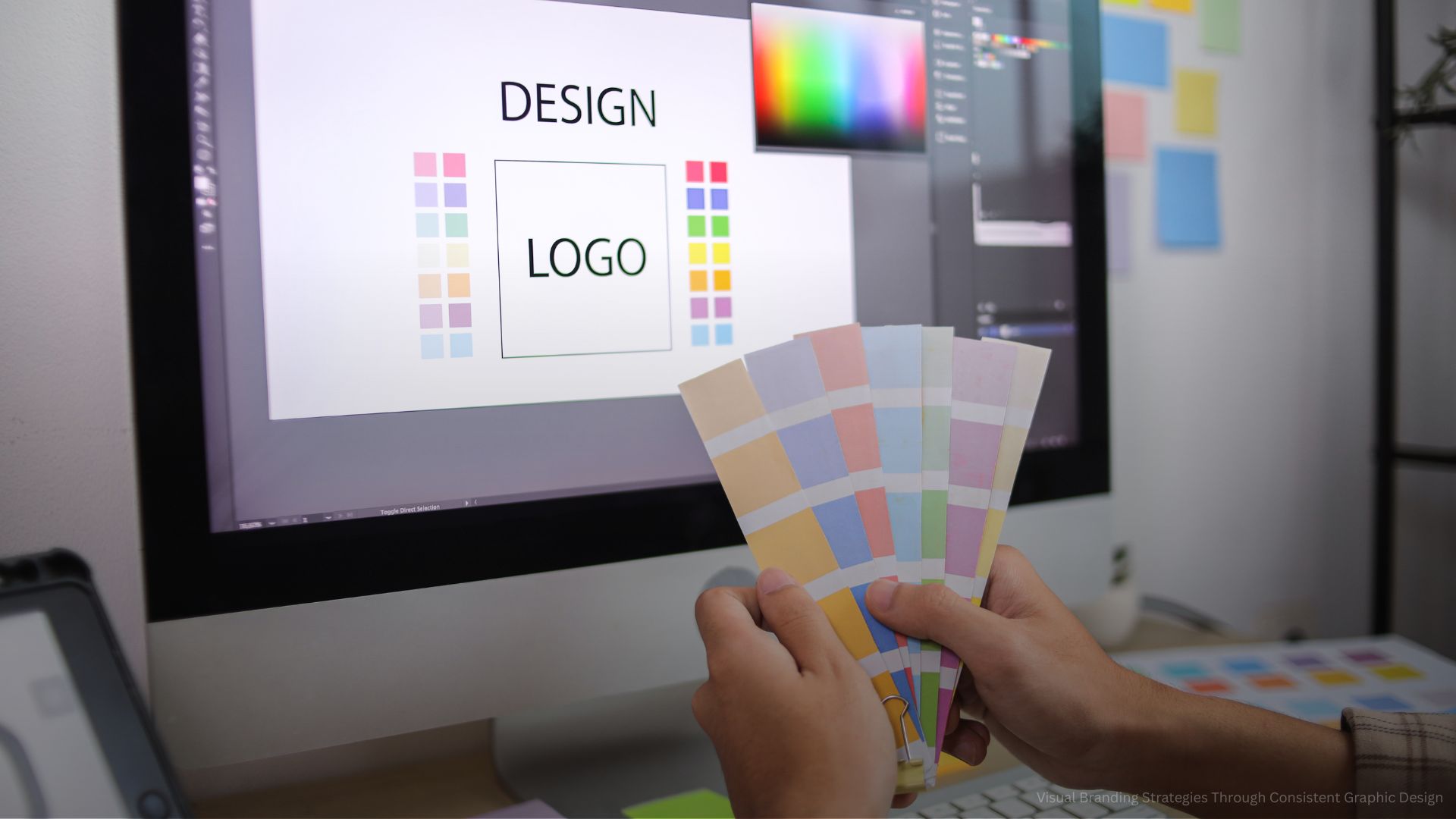
A brand’s visual identity is how people recognize, remember, and trust a company. Consistent graphic design ties together color, typography, imagery, layout, and voice so every touchpoint — from a website landing page to a receipt — communicates the same promise. When visual branding is planned and enforced, audiences perceive professionalism, recall the brand more easily, and convert at higher rates. This guide breaks down practical strategies, tools, and measurement techniques to build cohesive visual branding that scales across teams and channels.
Understanding Visual Branding
Visual branding is the deliberate use of design elements to communicate a brand’s personality and values. It goes beyond a logo: visual branding includes how photography looks, how icons are used, the rhythm of spacing, and the tone suggested by typographic choices. Strong visual branding reduces friction for customers because it signals quality and builds immediate recognition.
- Visual identity elements: Define logo variations, color palette, typography, iconography, and imagery guidelines.
- Brand personality mapping: Translate brand values into visual adjectives like bold, minimal, playful, or premium.
- Audience alignment: Select design cues that resonate with the target market’s expectations and cultural context.
- Competitive audit: Compare visual systems used by competitors and decide where to differentiate.
- Consistency checklist: Create a short list of non-negotiables designers must follow on every asset.
A clear visual-brand foundation ensures all creative decisions are purposeful and aligned with business goals, making later design work faster and more effective.
Graphic Design for Branding Success
Graphic design converts strategy into assets customers see and share. Good design balances clarity with distinctiveness so messages are both readable and memorable. Effective branding design also anticipates use cases: social posts, ads, packaging, email banners, in-product UI, and print collateral.
- Layout standards: Establish grid systems and spacing rules to keep pages balanced and scannable.
- Color system use: Define primary, secondary, and accent colors and explain when each should be applied.
- Typography rules: Specify heading scales, weights, and body copy sizes to ensure hierarchy and legibility.
- Imagery style guide: Recommend photography treatments, illustration styles, and stock-photo rules.
- Iconography library: Build a consistent set of icons with usage examples for UI and marketing.
- Motion guidelines: Describe animation speed, easing, and when motion should add value.
- Template sets: Prepare templates for social, display ads, and presentations to speed production.
Robust graphic design standards help teams produce assets that look unified and professional while reducing time spent making minor design choices.

Cohesive Brand Visuals Across Channels
Customers meet brands across many channels; cohesion means they recognize you regardless of platform. Cohesive visuals make campaigns feel familiar, which increases trust and improves conversion rates because users do not have to relearn the brand each time.
- Cross-channel color application: Use the same brand palette for web, print, and social to create instant recognition.
- Consistent logo placement: Standardize placement and safe zones so logos behave predictably across materials.
- Voice and tone alignment: Match visual choices to copy tone for unified messaging.
- Unified campaign templates: Create adaptable templates that fit email, landing pages, and social ads with minimal tweaks.
- Channel-specific optimization: Tailor imagery crops, copy length, and CTA styles for each platform while keeping core elements consistent.
- Brand asset distribution: Host approved files in a central library for easy access by teams and vendors.
When visuals are consistent across channels, campaigns build momentum; every impression reinforces previous ones, accelerating brand recall and trust.
Visual Identity Systems and Brand Guidelines
A living brand guide turns choices into repeatable rules. The more specific and usable the guidelines, the easier it is for in-house teams and external partners to produce on-brand work without constant review.
- Comprehensive brand book: Include logo usage, spacing, color codes, type specs, imagery examples, and sample layouts.
- Component libraries: Provide buttons, cards, forms, and other UI elements for digital products.
- Examples and anti-examples: Show correct and incorrect logo use, color combos, and image treatments.
- File formats and download pack: Offer raster and vector logos, color swatches, and typography files.
- Governance model: Designate who approves exceptions and how updates are rolled out.
- Onboarding resource: Build quick-start guides for new hires, freelancers, and agencies.
A practical brand system reduces guesswork, minimizes off-brand assets, and speeds up production while protecting visual integrity.
Designing for Accessibility and Inclusivity
Accessible design expands your audience and demonstrates care, which strengthens brand perception. Inclusive visuals consider color contrast, legible typography, descriptive imagery, and layouts that work with assistive technologies.
- Contrast and legibility: Ensure text meets WCAG contrast ratios for all primary uses.
- Scalable typography: Use responsive type scales and avoid overly small body fonts for mobile users.
- Alt-text standards: Require descriptive alt text for all images and complex visuals.
- Inclusive imagery: Represent diverse customers in photography and illustration choices.
- Accessible components: Ensure UI elements have keyboard focus states and screen-reader-friendly labels.
- Testing protocols: Include accessibility checks in QA and user testing phases.
Designing inclusively not only reduces legal and usability risks but also broadens market reach and builds goodwill among customers who value accessibility.

Brand Storytelling Through Visuals
Visuals are powerful storytelling tools that make brand narratives tangible. Consistent visual narratives guide audiences from discovery to loyalty by reinforcing key messages through imagery, layout, and pacing.
- Hero-frame strategy: Use consistent hero images or intro layouts that signify primary campaign themes.
- Visual metaphors: Choose recurring motifs or shapes that support your brand story across materials.
- Sequential storytelling: Design content series (carousels, email sequences, video chapters) with a clear visual arc.
- Case study templates: Present customer stories with standardized visual and data elements for credibility.
- Tone-matching visuals: Align color and imagery with the emotion you want to evoke in each campaign.
When visuals tell a coherent story over time, audiences remember the narrative and associate emotions and benefits with the brand.
Measuring Brand Recognition and Design ROI
Design choices must tie back to business outcomes. Tracking how visual changes affect recognition, engagement, and conversions proves the value of consistent graphic design.
- Brand recall surveys: Use short polls or panel tests to measure brand recognition after campaigns.
- A/B visual experiments: Test variations in color, layout, or imagery to find what improves CTR and conversions.
- Engagement metrics: Monitor shares, saves, time on page, and scroll depth as signals of creative resonance.
- Conversion attribution: A map showing which visual-led touchpoints contributed to leads or sales.
- Cost-per-acquisition shifts: Compare acquisition costs before and after a brand refresh to quantify impact.
- Qualitative feedback: Gather customer and stakeholder input on perceived brand quality and trust.
Measuring both qualitative and quantitative signals helps you refine visual strategies and demonstrate design’s direct role in growth.
Scaling Visual Branding for Teams and Agencies
As brands grow, visual control becomes harder. Scaling systems, automation, and clear processes keep quality steady while enabling faster output.
- Design system tooling: Use Figma or similar tools to maintain shared libraries and live components.
- Template-driven publishing: Automate common assets with templating tools for social posts and ads.
- Vendor playbook: Provide partners with a condensed brand kit, approval workflow, and contact points.
- Governance cadence: Schedule quarterly reviews to update guidelines and audit usage.
- Rights and licensing tracker: Keep an inventory of licensed imagery and font usage to avoid compliance issues.
- Training and workshops: Run periodic sessions to onboard new team members on brand standards.
Scaling successfully requires tooling, process, and training so visual quality remains high even as output volumes increase.

Visual Branding That Works
Consistent Visual Branding turns individual designs into a unified identity that builds recognition, trust, and measurable business results. By defining clear systems, enforcing guidelines, designing for inclusivity, and measuring outcomes, brands create reliable, repeatable visual experiences that support marketing objectives and deepen customer relationships.
Partner With Hourglass Marketing Solutions
Hourglass Marketing Solutions helps companies build and scale visual branding through strategic graphic design, brand systems, and hands-on implementation. Contact us today to develop a cohesive visual identity that strengthens recognition, improves conversions, and makes every customer touchpoint unmistakably yours.